
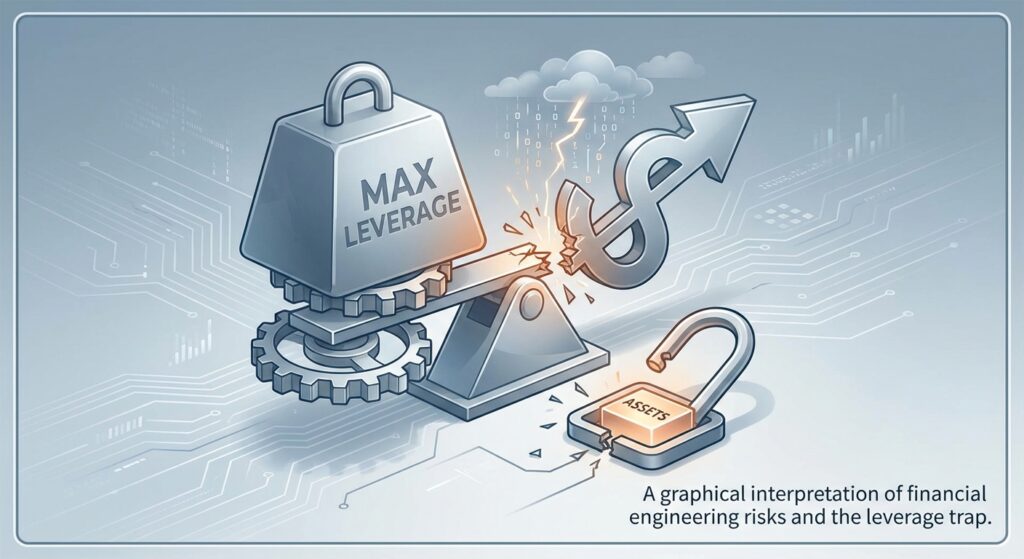
The Setup: A Perfect Storm of Debt and Disruption
In 2021, the rules of software investing seemed immutable. Recurring revenue was king, margins were inevitable, and debt was cheap. It was in this environment that Vista Equity Partners took workforce development platform Pluralsight private in a deal valued at approximately $3.5 billion. The thesis was standard playbook: operational improvements, growth fueled by corporate upskilling needs, and a capital structure heavily greased with leverage to maximize private equity returns.
But by 2024, the macroeconomic tides had shifted violently. Interest rates had soared, turning floating-rate debt into a cash-flow incinerator. Simultaneously, the tech landscape was upended by Generative AI, which threatened to commoditize the very coding skills Pluralsight taught. The company found itself trapped between a rock (debt service) and a hard place (needing to invest heavily in AI content).
The Decision: Asset Warfare vs. Equity Injection
By early 2024, Pluralsight was burning cash. The company faced a critical capital decision. In a founder-led environment, the instinct might have been to protect the business, perhaps by raising equity, diluting ownership but saving the ship. However, the private equity incentives dictated a different path. Rather than injecting fresh equity into a sinking valuation, the sponsor opted for aggressive financial engineering.
Vista engaged in what is known as a “drop-down” transaction. They moved valuable intellectual property into a restricted subsidiary, out of the reach of existing creditors. This allowed them to borrow fresh money against those assets to pay existing interest, essentially robbing Peter to pay Paul, while priming the original lenders. In industry parlance, this is becoming known as “creditor-on-creditor violence.” The goal was to preserve the option value of the equity without risking more capital, shifting the risk almost entirely to the debt holders.
The Outcome: Lenders Take the Keys
The aggressive maneuver backfired, or at least, precipitated the end game. The existing lenders (a consortium of private credit giants including Blue Owl Capital, Ares Management, and Goldman Sachs) refused to be passive victims. Recognizing that the equity value had effectively evaporated, they negotiated a comprehensive restructuring.
In August 2024, the lenders took 100% ownership of Pluralsight. The terms were stark and illustrative of the risks of over-leverage:
- Debt Reduction: The transaction erased approximately $1.3 billion in debt from the balance sheet.
- Capital Injection: The new owners (formerly lenders) injected over $200 million in fresh capital to stabilize operations.
- Equity Wipeout: The sponsor’s equity stake was effectively zeroed out.
For the company, the outcome was a painful but necessary reset. Free from the crushing weight of the 2021-era leverage, Pluralsight could finally refocus on product adaptation for the AI era. For the sponsor, it was a total loss on the investment. For the private credit industry, it was a watershed moment: lenders proved they were willing and able to become operators when pushed too far.
Lessons for Founders and Operators
The Pluralsight saga offers critical lessons for founders considering debt financing or selling to structured capital partners:
1. Leverage Magnifies Timing Risk
Debt is a force multiplier. In 2021, leverage looked like a tool for efficient returns. By 2024, it was an existential threat. Founders must stress-test their capital structures not against today’s rates, but against worst-case rate environments and cash flow dips.
2. Understand the “Sponsor Put”
Founders often assume financial partners will fight for the company as hard as they do. Pluralsight illustrates the specific incentives of PE funds: if an asset falls below a certain return threshold, the rational financial decision for a fund is often to stop supporting it or to engage in financial engineering that risks the company’s long-term health to salvage short-term metrics. Founders retain emotional attachment; funds retain option value.
3. The Shift from Passive to Active Capital
The private credit lenders in this story did not just foreclose; they reorganized and recapitalized. As private credit matures, these firms are building operational capabilities. Borrowers should know that in a downside scenario, their lenders are increasingly capable of becoming their new board of directors.
4. Structure is Strategy
The “drop-down” maneuver used here highlights the importance of credit agreement covenants. For founders, the lesson is reciprocal: understand exactly what permissions you are giving your capital partners, and understand that in times of distress, loose documents can lead to aggressive internal conflicts that distract from the business itself.


