
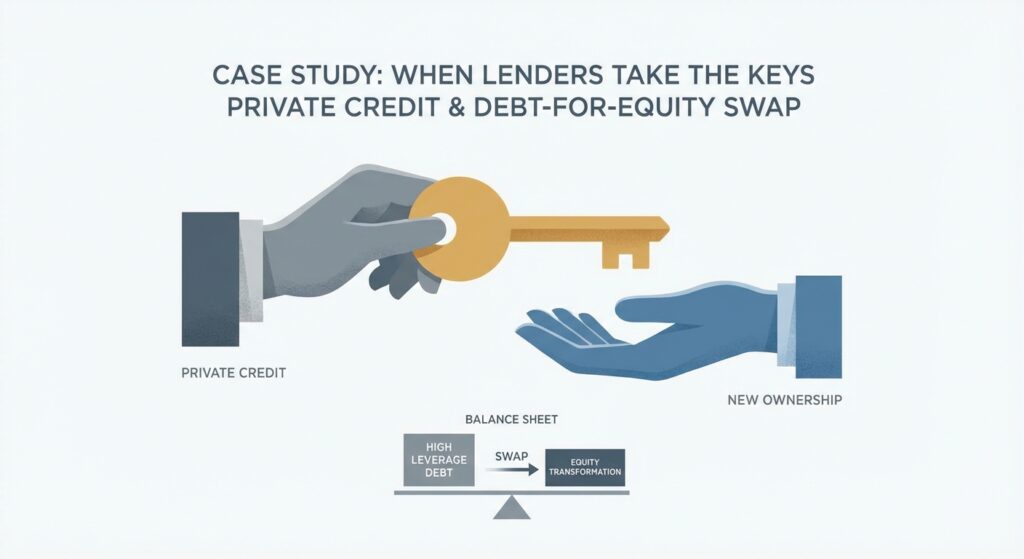
The Story: A Peak Valuation Bet
In the heady days of 2021, software valuations were defying gravity. Private equity giant Vista Equity Partners, known for its disciplined playbook in enterprise software, made a bold move: a $3.5 billion take-private acquisition of Pluralsight, a workforce development platform educating developers in cloud and AI skills.
To fund the deal, Vista bypassed traditional banks. instead turning to the burgeoning private credit market. They secured a massive debt package from a consortium led by Blue Owl Capital. At the time, the logic seemed sound: lock in a market leader, apply operational improvements, and ride the digital transformation wave to a profitable exit.
But the timing proved perilous. The deal closed just before a historic rise in interest rates and a cooling of the SaaS (Software as a Service) sector. What was intended to be a standard leveraged buyout soon became a stress test for the entire private credit ecosystem.
The Decision: Leverage in a Changing World
The capital structure of the Pluralsight deal was emblematic of the era: high leverage based on recurring revenue, funded by direct lenders hungry for yield. Unlike traditional bank loans, which often come with strict maintenance covenants and amortization schedules, private credit deals in 2021 were frequently "covenant-lite," offering borrowers flexibility, up to a point.
By late 2023 and into 2024, the math began to break. Pluralsight’s growth slowed as corporate customers trimmed IT budgets. Simultaneously, the floating-rate debt became significantly more expensive due to Federal Reserve rate hikes. The company faced a cash crunch: it was burning cash to service debt that had become unsustainable relative to its earnings.
The Friction Point: Facing a liquidity crisis, Vista attempted a controversial maneuver known in the industry as a "drop-down." They moved certain intellectual property assets into a new subsidiary to raise fresh capital against them, essentially stripping value away from existing lenders to keep the ship afloat. While common in the broadly syndicated loan market, this aggressive tactic struck a nerve in the relationship-driven world of private credit.
The Outcome: The Keys Handed Over
The lenders did not blink. Instead of accepting the maneuver or agreeing to a haircut that would preserve Vista’s equity, the private credit group (led by Blue Owl, Ares Management, and others) held their ground. They leveraged their position to force a restructuring that would completely reshape the company’s ownership.
In August 2024, the outcome was finalized:
- Equity Wipeout: Vista Equity Partners and its co-investors saw their initial equity investment, estimated at roughly $4 billion in value, effectively written down to zero.
- Debt-for-Equity Swap: The lenders agreed to convert approximately $1.2 billion of debt into equity.
- New Ownership: The lender group took control of 100% of the company (later carving out equity for management), transforming from creditors to owners.
As reported by Bloomberg, this was a "markedly swift unraveling" of a private equity investment. It served as a stark reminder that in a leveraged capital structure, equity is merely a call option on firm value above the debt threshold. When that value evaporates, the lenders are the residual claimants.
The Lessons: Private Credit is Not Passive
The Pluralsight saga offers critical lessons for founders and operators exploring leverage today:
1. The "Equity Cushion" Illusion
Founders often view debt as cheaper than equity because it is non-dilutive, until it isn’t. Leverage magnifies returns on the way up but acts as a guillotine on the way down. Once the enterprise value fell below the debt load, the sophisticated private equity sponsor lost everything. For a founder-led business, the result would be the same: total loss of control.
2. Lender Capability is a Double-Edged Sword
Direct lenders like Blue Owl and Ares are not passive banks. They have the sophistication to step in and operate or sell the business if things go wrong. In Pluralsight’s case, the lenders were willing owners. This counters the old assumption that "the bank doesn’t want the keys." In modern private credit, the lenders are often comfortable taking the keys.
3. Valuation Discipline
The root cause wasn’t just the debt; it was the entry price. Overpaying for an asset (or overvaluing your own company) leaves no margin for error when the cost of capital rises. A lower valuation with less debt might have allowed the company to weather the storm without a change in control.
Key Insights for Operators
- Debt is Senior: Regardless of previous success or reputation (even a top-tier firm like Vista), debt holders have the final say when covenants effectively breach or liquidity dries up.
- Covenants Matter: Even in "loose" credit markets, the ultimate covenant is cash flow. If you can’t service the interest, the legal documents matter less than the economic reality.
- Relationship Risk: Aggressive financial engineering (like asset stripping) can backfire in private markets, hardening the resolve of lenders rather than bringing them to the table.
- Rate Sensitivity: Capital structures built in a zero-interest rate environment act very differently when rates normalize. Stress-testing debt service payments at higher rates is mandatory, not optional.
- Outcome Asymmetry: In a downside scenario, equity can go to zero, while debt usually recovers some value, often by converting to equity. Founders must understand they sit in the "first loss" position.


